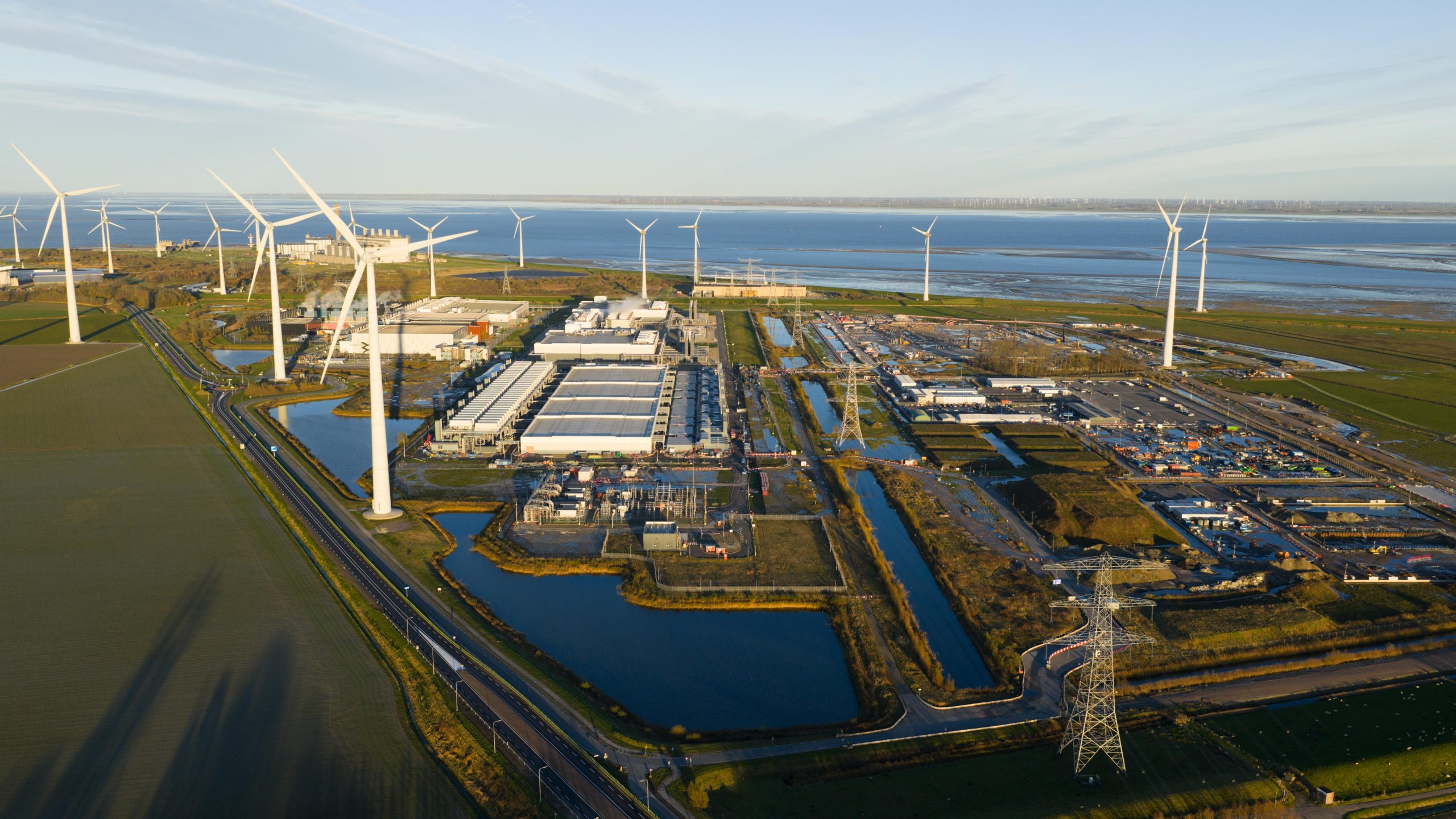
“Powered land” is the term the industry is using now, and the shift in language matters. A parcel with a power problem attached used to be a land deal first and a utility headache second. Today, for the developers racing to bring data centers and large loads online, it’s the reverse: this is a power project that happens to need land. Every early decision from what to buy, where to buy it, and how fast to move follows from that new framework.
Start with the end in mind
Every powered land strategy should be built backward from one date: commercial operation date, or COD. It doesn’t matter whether a developer intends to build and operate the project or de-risk it and sell the position. COD is still the number that everything else has to answer to. Even a developer with no intention of ever energizing a site needs to know how soon it realistically could be, because that answer is what determines the value of the position they’re building.
The desktop analysis: Common findings
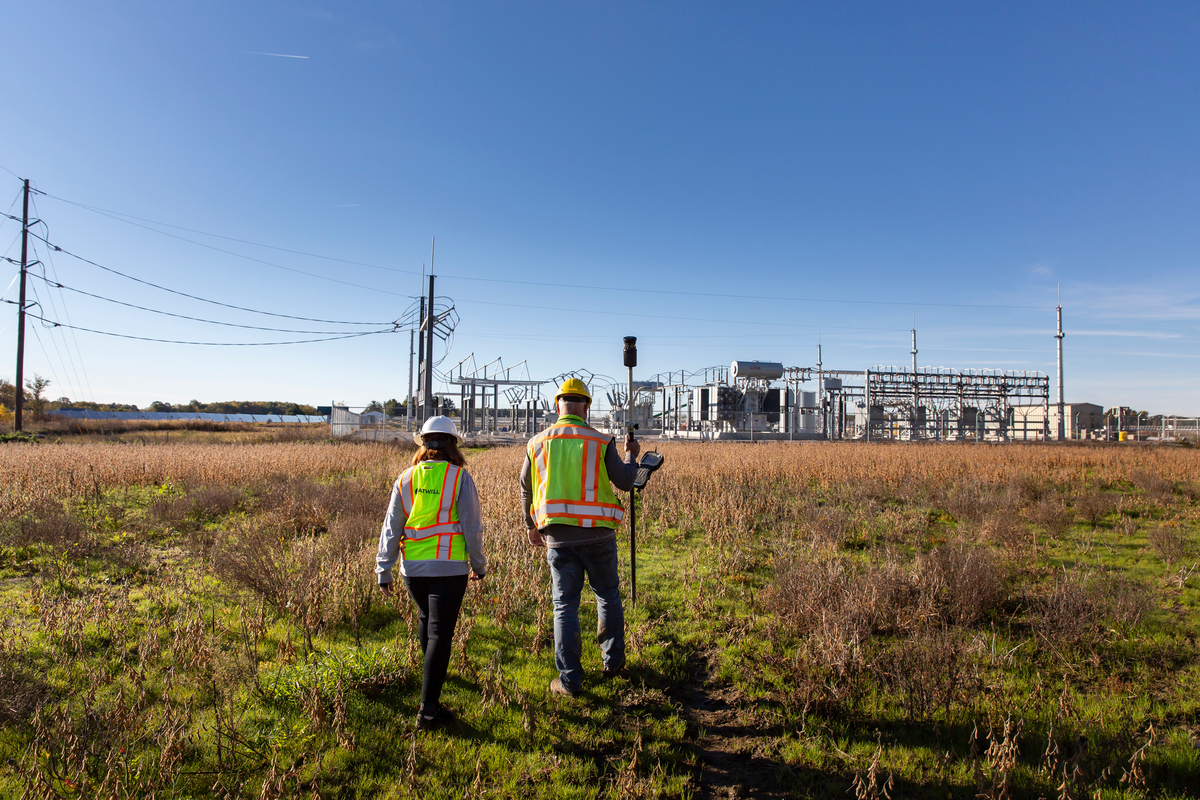
Atwell runs early-stage sites through an internal desktop-analysis framework before a developer commits real capital to them. It goes deep, but four items surface on nearly every project, regardless of technology or region:
- Title, right-of-way, and easements
Land control is still the foundation, and no amount of interconnection capacity makes up for a title problem or a missing easement discovered late.
- Environmental constraints
Wetlands, protected species, and air-quality non-attainment zones can quietly reset a timeline. Even a developer who plans to generate power on-site specifically to avoid the interconnection queue isn’t necessarily in the clear: a site in a severe non-attainment area can face an air-permitting schedule that takes just as long as the queue itself.
- Interconnection timeline exposure
Queue position, cluster study cycles, and network upgrade obligations all sit outside a developer’s direct control, but they drive the schedule more than almost anything else on the list.
- Financial and credit readiness
Getting an interconnection request accepted increasingly requires proof of financial capacity. These may include letters of credit, parent guarantees, or surety bonds before a project earns a serious spot in line.
None of these are new questions in land development. What’s new is that they now all have to be answered before anyone can say with confidence whether a parcel is actually powered land or just land near power.
Why now?
Capital has come back into the market for data center and large-load projects, and it has brought a new class of investor with it. Hyperscalers and their backers who can absorb credit requirements that would have stopped a smaller developer cold a decade ago. But that capital hasn’t come with the patience it once did. Investors often want deployment on a three-year horizon, not the five-to-seven-year horizon that interconnection queues can still demand in constrained regions. A queue delay that used to be a scheduling annoyance is now a financial risk that shows up directly in project underwriting.
One team approach
The desktop checklist above spans land, environmental, and engineering disciplines that most developers still manage as separate vendor relationships. That’s where projects lose time, not usually because any one discipline is slow, but because nothing forces the disciplines to talk to each other on the same timeline. Our team coordinates land, environmental, and engineering work in a unified manner, which means the wetland delineation, the title work, and the interconnection strategy are being weighed against the same COD from day one, instead of surfacing conflicts with each other months apart.
What comes next?
Land is still the foundation but for developers focused only on the parcel, it’s worth remembering that being near power is not the same as being able to access it. In the next piece of this power-focused series, we’ll take a closer look at what “available” power actually means: how ISO and RTO structure, regulated versus deregulated markets, and load size all shape the answer along with where developers most often assume they have power when they don’t.